
Polycystic Ovary Syndrome, more than a hormonal problem

For years, thousands of women have heard about or been diagnosed with polycystic ovary syndrome, or PCOS, as though the problem were essentially centred on the ovaries. But science is changing this view.
We need to update our understanding and embrace a new name and a new approach.
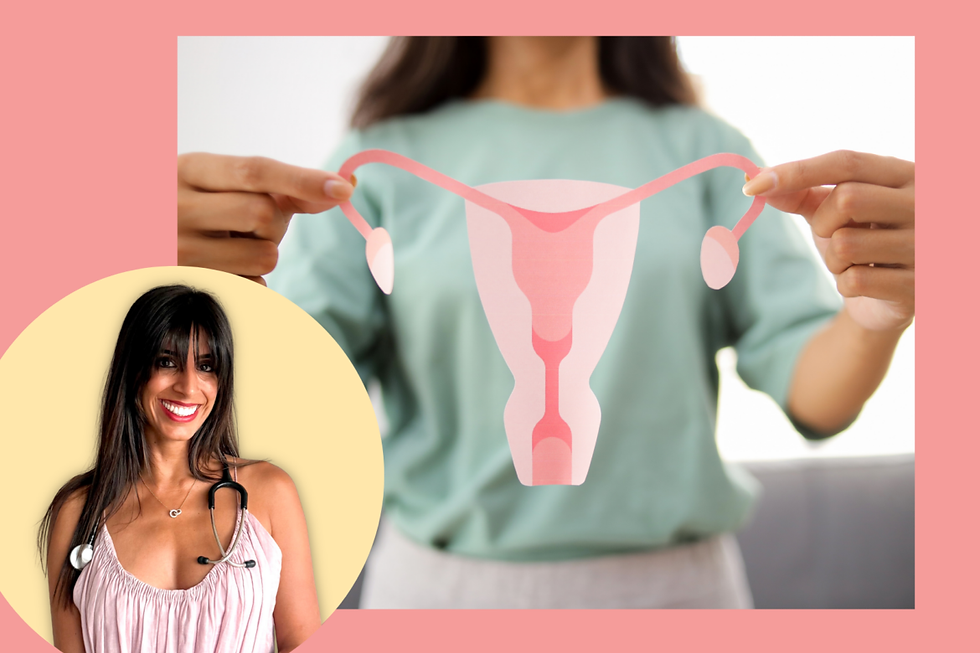
The New Name: Polycystic Ovary Metabolic Polyendocrine Syndrome, or POMS
In 2026, an international consensus published in The Lancet proposed and established a new name for the syndrome: POMS, or polyendocrine metabolic ovarian syndrome. The change aims to better reflect the reality of a condition that involves much more than the ovaries.
The new name does not mean that it is a new disease. PCOS and POMS refer to the same condition. What is changing is the way we understand it.
And this change may be particularly important for women who have spent years being told that their symptoms were simply “hormonal”.
What is POMS?
POMS is an endocrine and metabolic condition that can affect the menstrual cycle, ovulation, androgen levels, insulin sensitivity, the skin, hair, metabolism and fertility. According to the international consensus published in 2026, the condition affects approximately one in eight women. The process that led to the change in name involved thousands of people with PCOS, healthcare professionals and 56 international organisations.
The old term, “polycystic ovary syndrome”, could be misleading for two reasons. First, not all women with PCOS have ovaries with a polycystic appearance. Second, the condition is not exclusively ovarian.
It involves different hormonal and metabolic systems. This is precisely what the new name aims to make more apparent.
What are the symptoms of POMS?
Symptoms can vary considerably from one woman to another. The most common include:
Irregular, infrequent or absent periods
Difficulty ovulating
Persistent acne
Increased facial or body hair
Hair loss or thinning
Difficulty becoming pregnant
Weight changes or difficulty losing weight
Fatigue and changes in energy levels
Changes in blood glucose or insulin resistance
This means that two women can have POMS and present with completely different manifestations. One may have irregular cycles and acne.
Another may have relatively regular cycles but show signs of hyperandrogenism and metabolic changes. And another may only discover the condition when she starts trying to conceive. This diversity is one of the reasons why diagnosis can be delayed.
POMS is not just a problem with the ovaries
This is perhaps the most important change in the way we think about POMS. The ovaries are part of the story, but they do not tell the whole story. POMS involves an interaction between hormones, metabolism, insulin, ovulation and other systems in the body. The new name was specifically chosen to reflect this multisystem nature.
One of the most important mechanisms is insulin resistance.
What is the relationship between insulin and POMS?
Insulin is a key hormone responsible for controlling the amount of glucose in the blood.
When the body becomes less responsive to insulin, it may need to produce more of it to keep blood glucose under control. In some women with POMS, elevated insulin levels may contribute to increased androgen production by the ovaries.
And elevated androgen levels can be associated with symptoms such as:
Acne
Excess facial or body hair
Hair loss
Changes in ovulation
Irregular periods
This is why metabolic health should not be overlooked when discussing women's hormonal health.
Can you have POMS without being overweight?
Yes. This is one of the most important misconceptions about PCOS. A woman can have POMS regardless of her weight.
Insulin resistance and hormonal changes can also occur in women who are considered lean or whose weight falls within what is considered a normal range.
Therefore, using body weight alone to assess the risk of POMS can lead to missed or delayed diagnoses.
An appropriate approach should look at the woman as a whole and consider symptoms, menstrual cycle, medical history, metabolism and hormonal markers.
What may be behind POMS?
There is no single cause responsible for all cases. The condition appears to result from the interaction of different factors, including genetic predisposition, hormonal changes and metabolic factors. In functional medicine, the assessment tends to look at several of these elements together.
Factors that may warrant attention include:
1. Insulin resistance
This is one of the most important areas to investigate, particularly when there are changes in blood glucose, increased abdominal weight, frequent sugar cravings or fluctuations in energy levels.
2. Elevated androgens
Excess androgens can contribute to acne, increased hair growth and changes in the hair.
3. Stress and sleep
Chronic stress and sleep deprivation can influence metabolism, glucose regulation and hormonal function.
This does not mean that “stress causes POMS”, but it can be part of the context that influences symptoms and metabolic health.
4. Thyroid health
Some thyroid disorders can produce symptoms similar to those of PCOS or coexist with the condition, which is why clinical assessment should take the differential diagnosis into account.
5. Diet and lifestyle
Diet, physical activity, sleep and stress management are important components of metabolic health and form part of the first-line recommendations for women with PCOS.
Can functional medicine help with POMS?
It can be an interesting complementary approach, particularly when we are trying to understand why certain symptoms are occurring and how different factors relate to one another.
However, it is important to distinguish between interventions supported by stronger evidence and those that are still being investigated. The most consistent evidence relates to interventions involving diet, physical activity, sleep and behavioural changes. These strategies are also part of international recommendations for the management of PCOS.
In other words, functional medicine and conventional medicine do not necessarily have to be on opposing sides. In reality, they can complement one another.
What about supplements?
Here it is important to be cautious about exaggerated claims. Inositol is one of the most extensively studied supplements in the context of PCOS and may provide benefits for some women, including improvements in certain metabolic and reproductive parameters.
However, the evidence still has limitations, and this does not mean that every woman with POMS should take inositol.
Other supplements, such as vitamin D, omega-3 or certain plant-based compounds, are also frequently discussed, but the evidence varies.
Supplements should not replace medical assessment or be used simply because they worked for someone else.
Ideally, the individual situation, goals, potential deficiencies, medications and possible interactions should all be assessed.
What about the contraceptive pill? Is it an option?
Yes. Conventional treatments continue to play an important role in the management of POMS. Depending on a woman's symptoms and goals, treatments such as hormonal contraceptives, metformin or medicines designed to stimulate ovulation in women wishing to become pregnant may be considered.
The choice depends on the clinical picture.
When should you speak to a healthcare professional?
If you have persistently irregular periods, acne that does not improve, excessive hair growth, hair loss, difficulty becoming pregnant or metabolic changes, it is worth seeking professional assessment.
It is also important not to automatically assume that all of these symptoms mean POMS. Other conditions can cause similar changes, and the diagnosis should be made by a healthcare professional.
The earlier a hormonal or metabolic imbalance is identified, the greater the opportunity may be to intervene appropriately.
The most important message for women with POMS
For a long time, the conversation around PCOS was too heavily focused on the ovaries.
Today, we know that the reality is more complex.
POMS is a hormonal and metabolic condition that can affect different areas of women's health.
And this changes the question. Instead of asking only:
“How can I manage my symptoms?” we can start asking:
“What may be contributing to these symptoms, and how can I look after my hormonal and metabolic health in the long term?”


Comments